Index: methodology
Index value —
Index value
—
Pool NAV
—
Card sleeve
—
Constituents
10
Composition
Fixed weights. The basket does not rebalance on its own.
| Constituent | Reference | Grade | Weight |
|---|---|---|---|
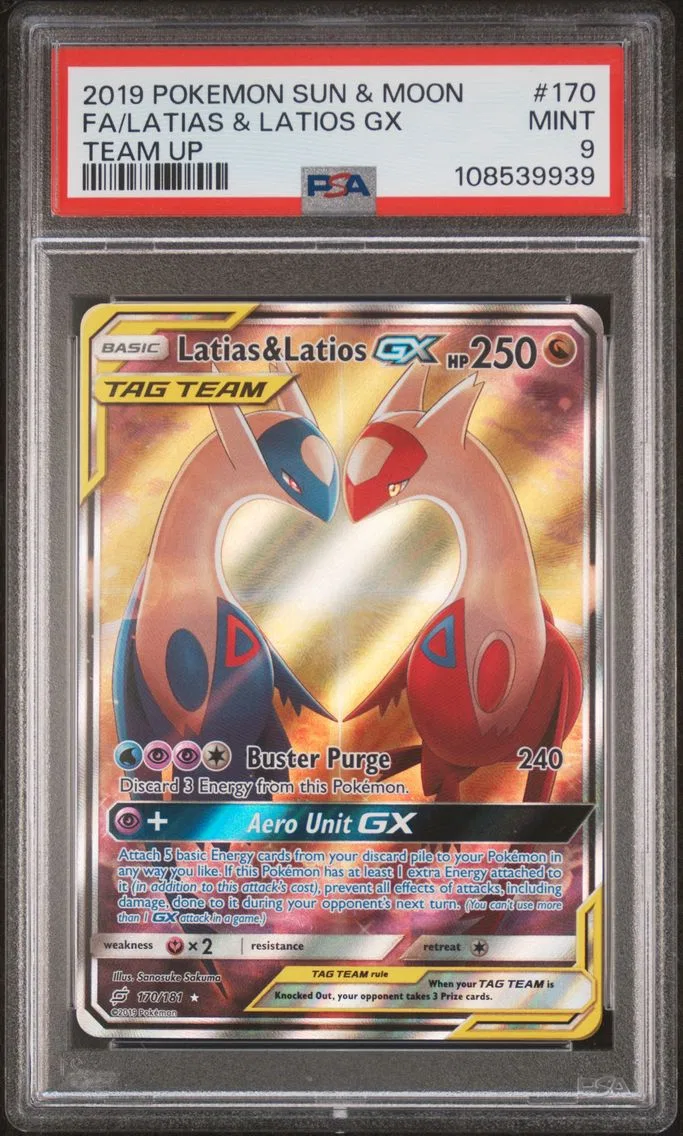 Latias & Latios GX2019 · Pokémon Latias & Latios GX2019 · Pokémon | 108539939 | PSA MINT 9 | 14.12% |
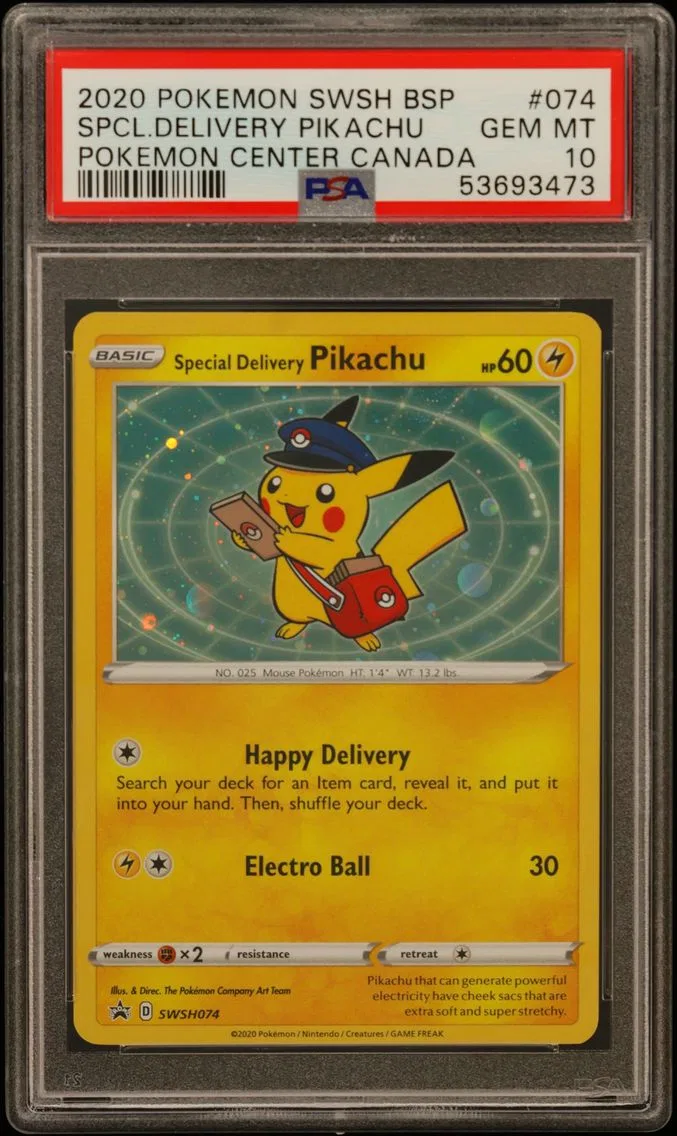 Special Delivery Pikachu-Holo2020 · Pokémon Special Delivery Pikachu-Holo2020 · Pokémon | 53693473 | PSA GEM-MT 10 | 11.08% |
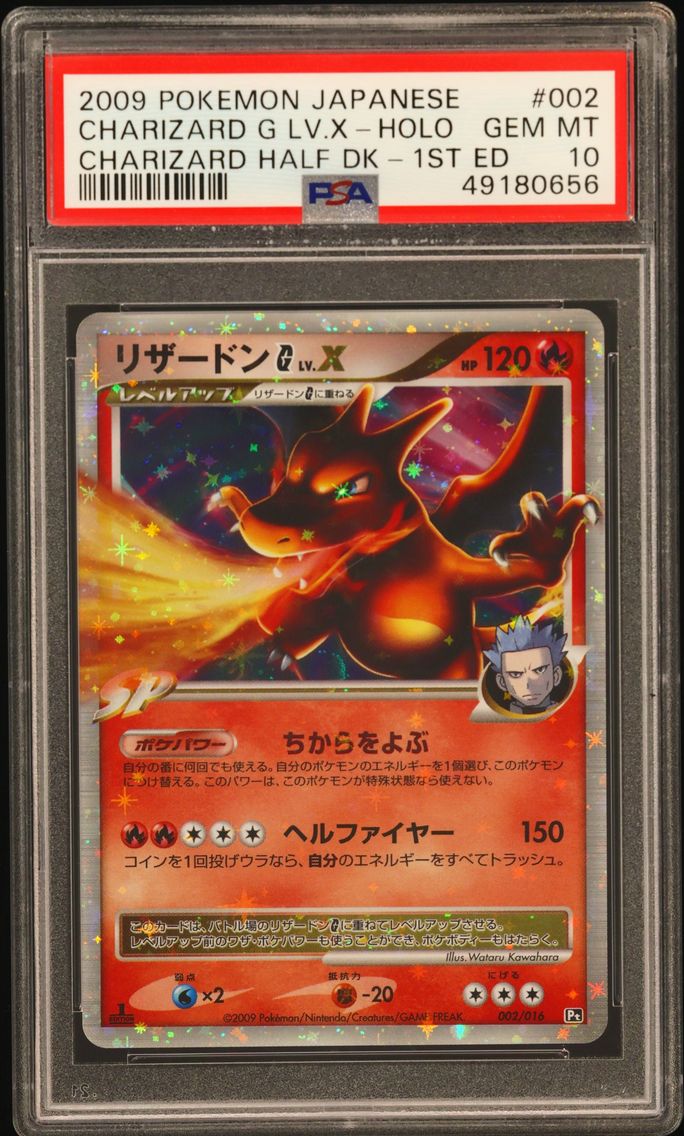 Charizard G LV.X-Holo 1st Edition2009 · Pokémon Charizard G LV.X-Holo 1st Edition2009 · Pokémon | 49180656 | PSA GEM-MT 10 | 10.55% |
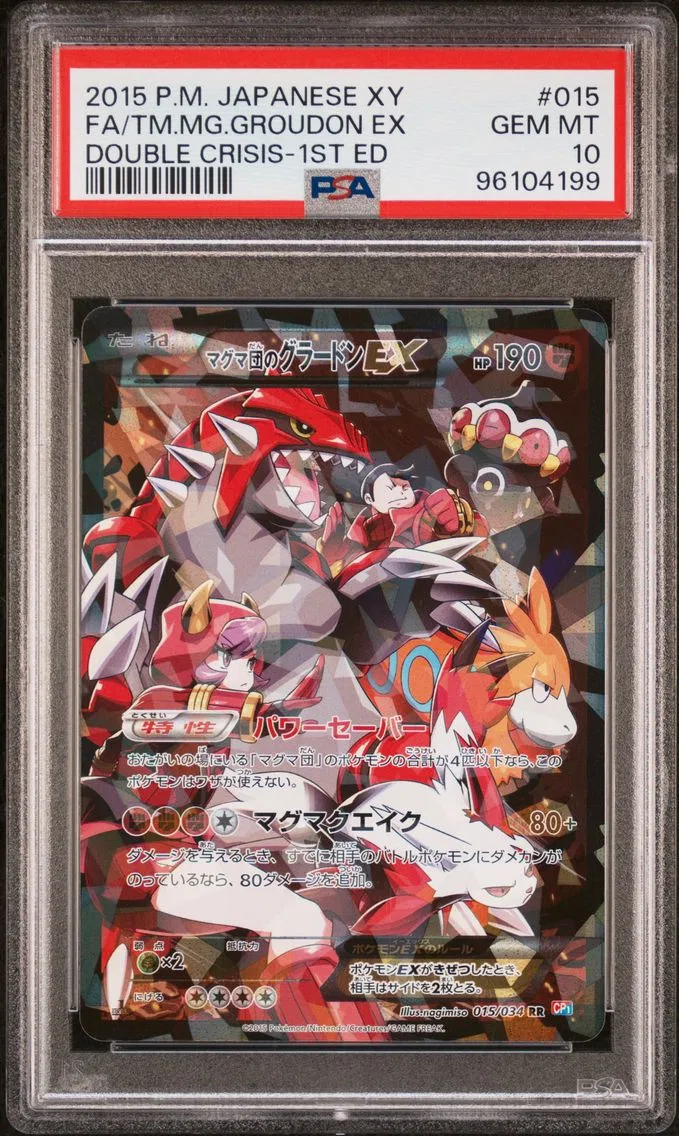 Team Magma's Groudon EX 1st Edition2015 · Pokémon Team Magma's Groudon EX 1st Edition2015 · Pokémon | 96104199 | PSA GEM-MT 10 | 10.16% |
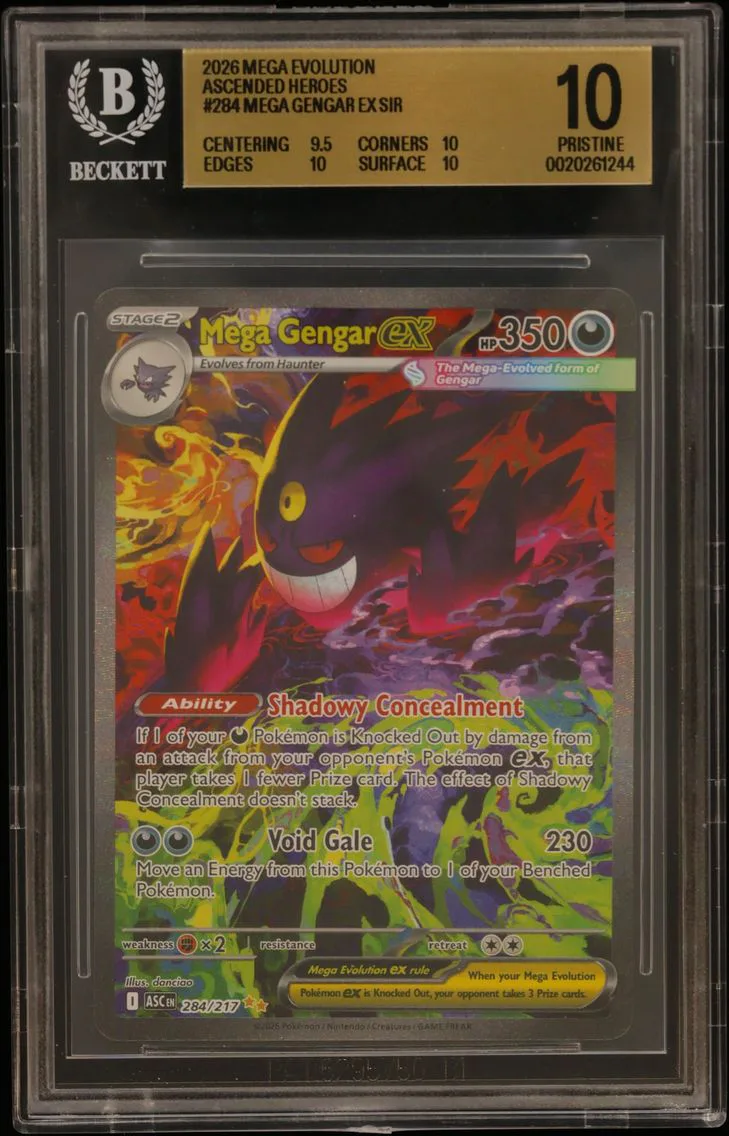 Mega Gengar ex SIR2026 · Pokémon Mega Gengar ex SIR2026 · Pokémon | 0020261244 | BGS 10 | 9.63% |
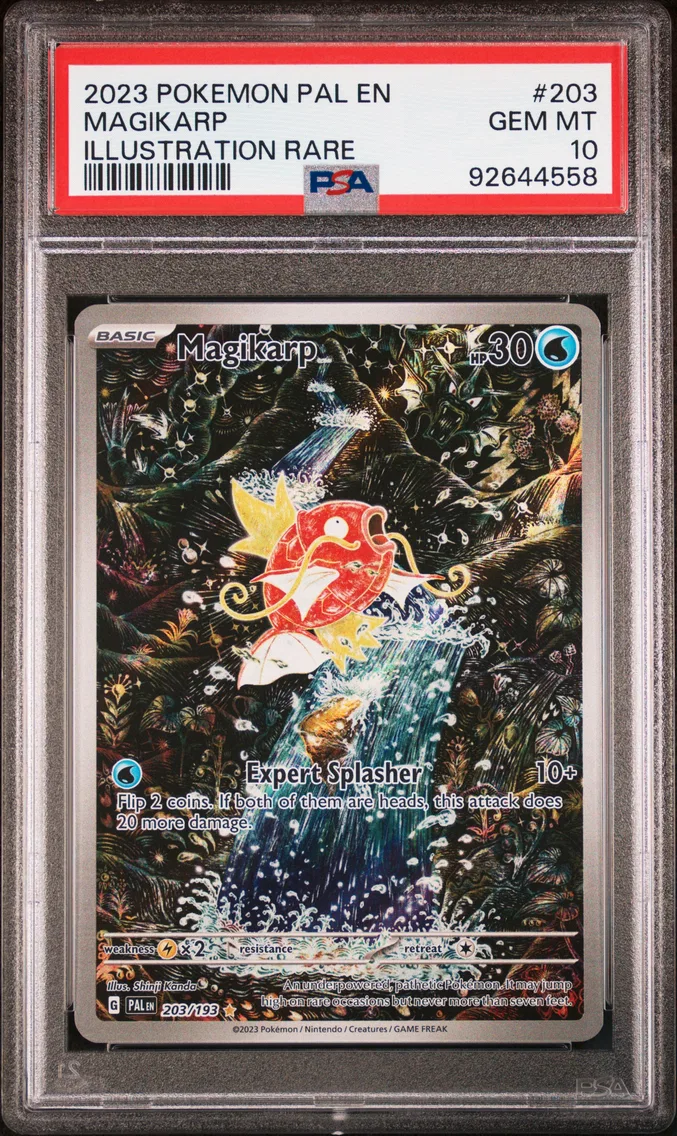 Magikarp2023 · Pokémon Magikarp2023 · Pokémon | 92644558 | PSA GEM-MT 10 | 9.24% |
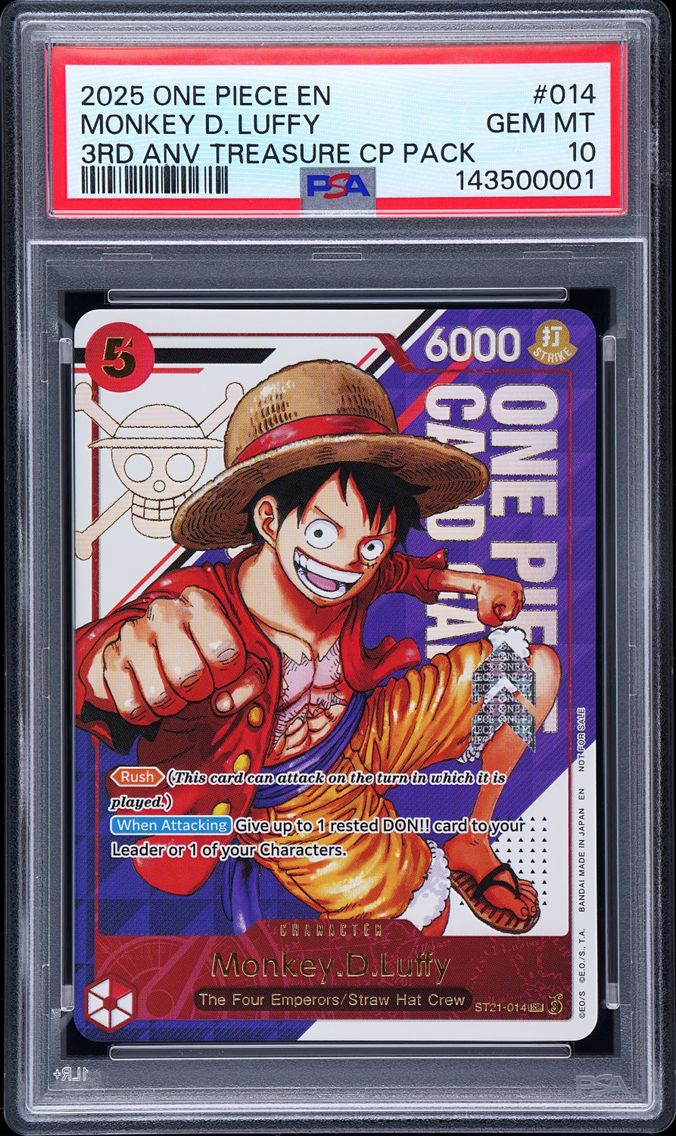 Monkey D. Luffy2025 · One Piece Monkey D. Luffy2025 · One Piece | 143500001 | PSA GEM-MT 10 | 8.31% |
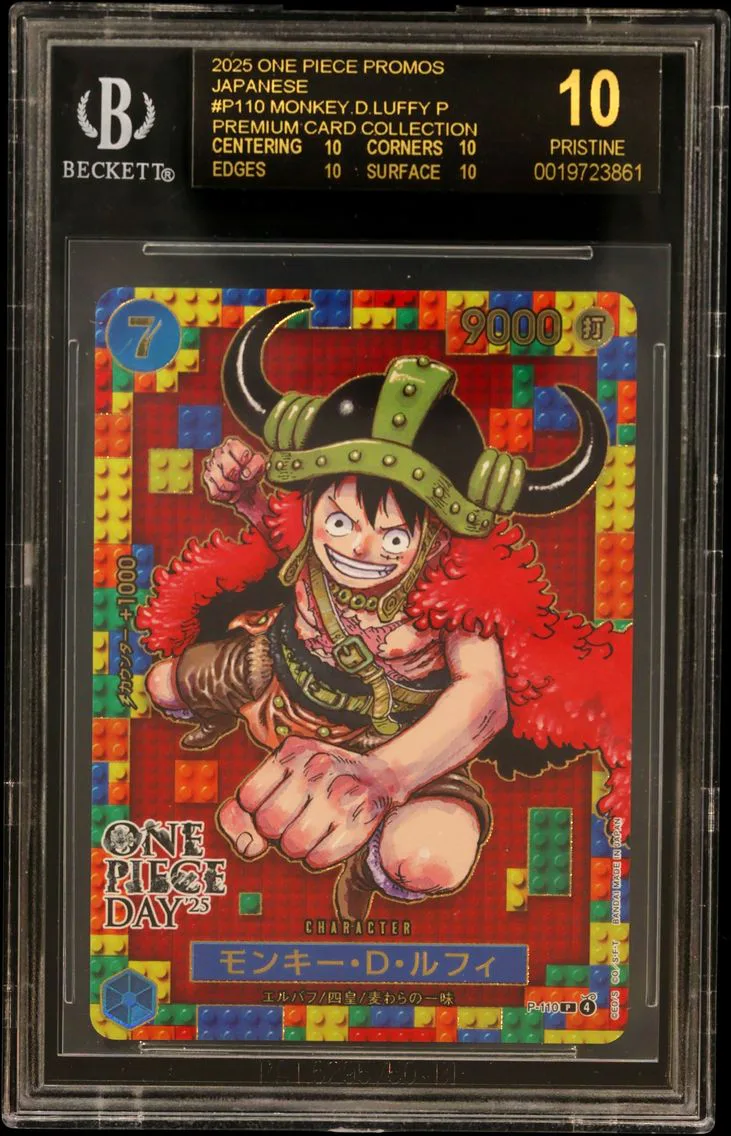 Monkey.D.Luffy P/(Premium Card Collection -ONE PIECE DAY '25-)2025 · One Piece Monkey.D.Luffy P/(Premium Card Collection -ONE PIECE DAY '25-)2025 · One Piece | 0019723861 | BGS 10 | 6.60% |
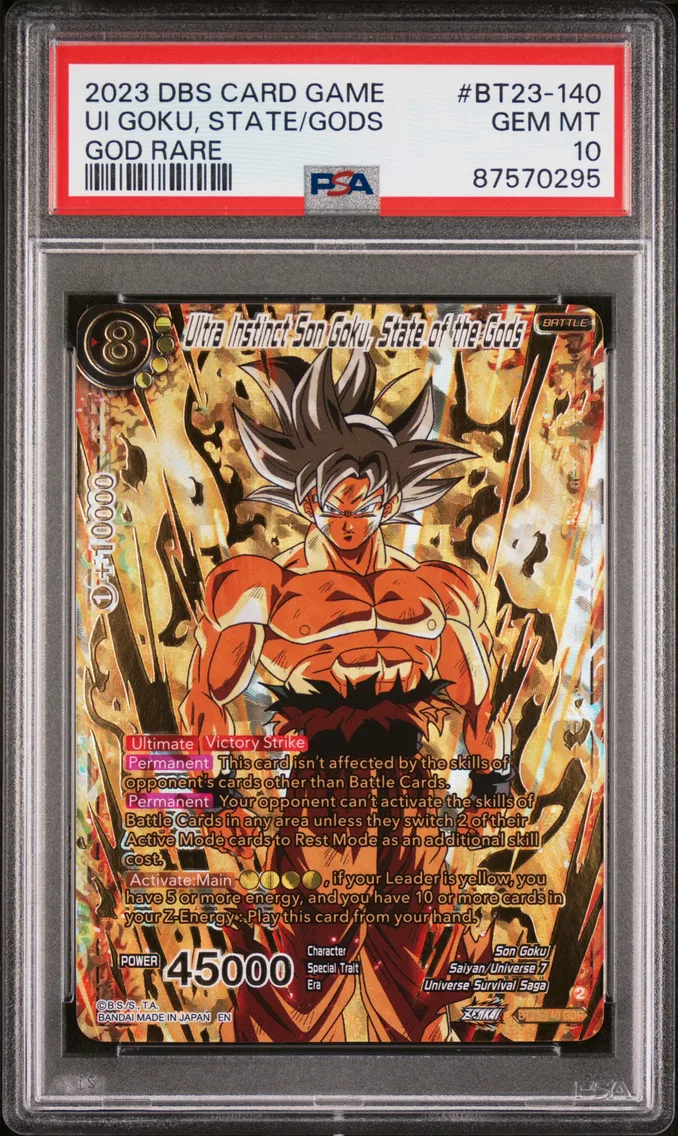 Ultra Instinct Son Goku, State of the Gods2023 · Trading cards Ultra Instinct Son Goku, State of the Gods2023 · Trading cards | 87570295 | PSA GEM-MT 10 | 11.08% |
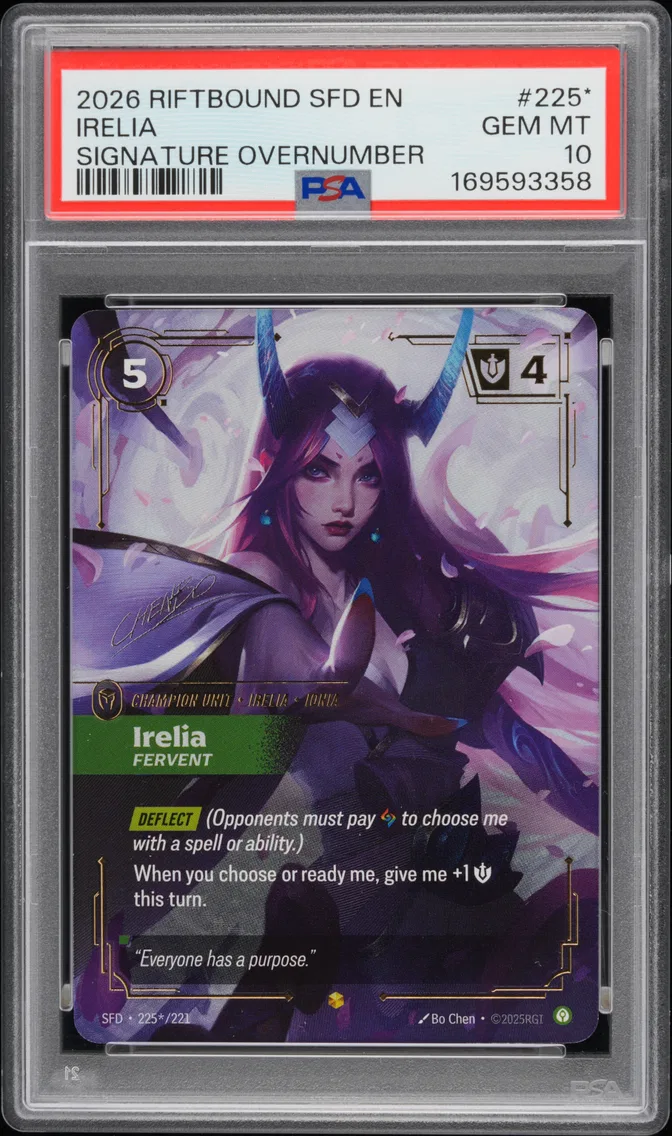 Irelia - Fervent2026 · Trading cards Irelia - Fervent2026 · Trading cards | 169593358 | PSA GEM-MT 10 | 9.23% |
Capacity
The lower ceiling is the real one.
Reading the capacity limits.
Methodology
Selection
Constituents are professionally graded, tokenized and held under custody. A card enters by whitelist and keeps a fixed weight. A fixed basket is a security decision rather than a simplification — a basket whose membership can move is a basket an attacker can move into.
Pricing
The index price is a time-weighted average of an on-chain pool of card fractions, clamped so it cannot travel more than five per cent between readings. External sale data is a sanity bound, never the price itself. If that feed goes quiet the market loses one defence and keeps running.
Capacity
Open interest is limited by two independent ceilings and the lower one always governs. One is the pool’s liquid reserve, so a winning position is paid from assets that can actually be paid out. The other is the depth of the pricing pool, so that moving the price far enough to force liquidations costs more than it pays.